Discover
Campus AI and Web3 communities, workshops and AI literacy sessions where young people first see what is possible.
Proof so far: University AI clubs in Nigeria and Ghana; 25,000+ people reached.NextGen exists to raise a generation of young Africans who build, fund and lead the technology their communities run on, so that they own a share of Africa’s future instead of renting it.
The 2025 hackathon proved the model works. It was one stage of the pipeline, not the destination.
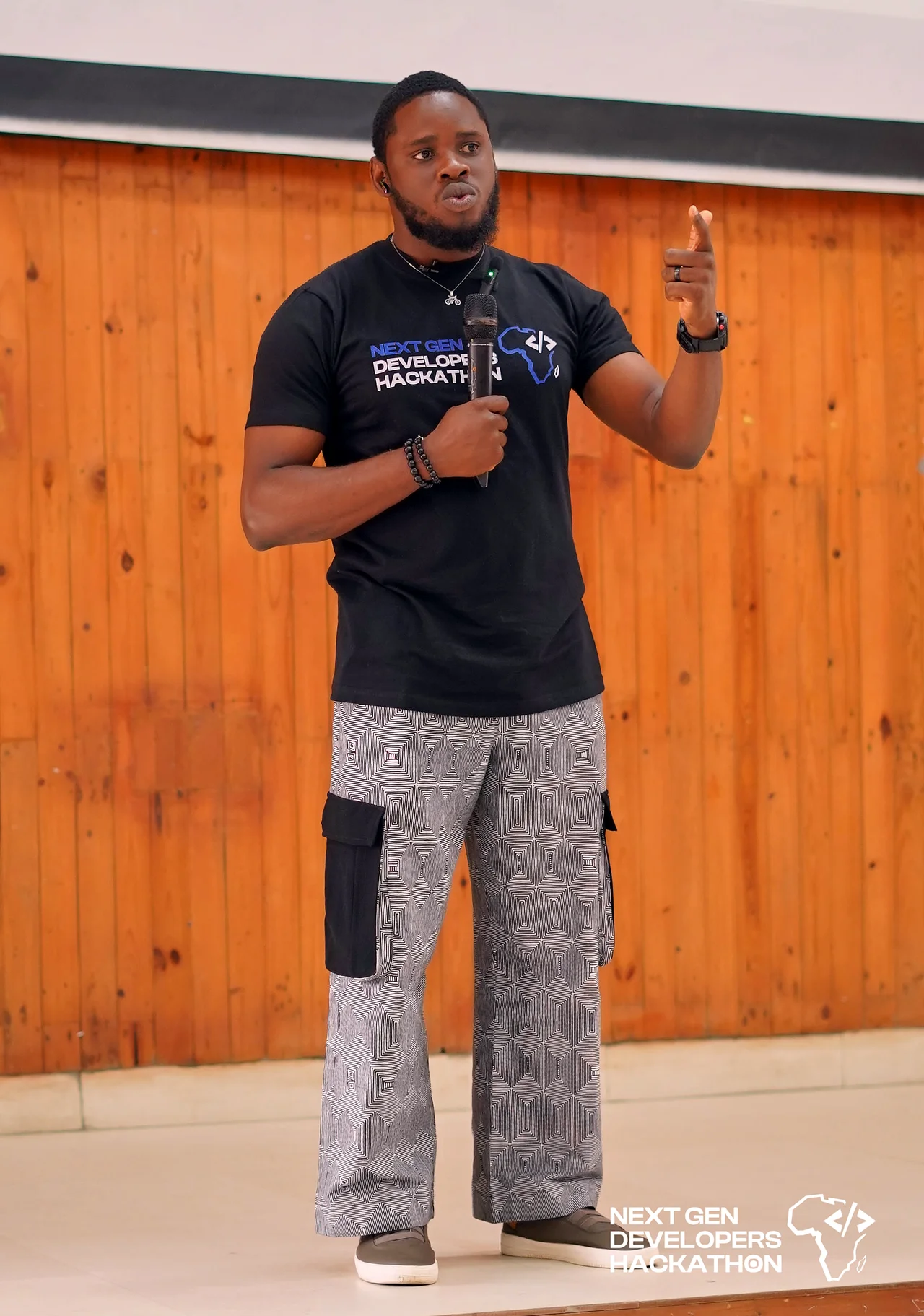
Thousands of young Africans who did not wait to be hired into the technology economy. They built companies, products and research of their own, won the capital to scale them, and now sit where decisions about technology are made: boardrooms, funds and policy tables.
The measure of NextGen is not how many people attend. It is how many go on to build, lead and own.
Make that path permanent, repeatable and open to anyone with the will to walk it.
One-off events are where most youth tech programmes in Africa stop: a weekend of energy, a few prizes, then silence. Talent cools, teams scatter and the next event starts from zero. NextGen is designed the other way round. Every stage feeds the next, and the people who come through return to run it.
Campus AI and Web3 communities, workshops and AI literacy sessions where young people first see what is possible.
Proof so far: University AI clubs in Nigeria and Ghana; 25,000+ people reached.Teams form and build real projects with mentors, technical partners and deadlines. Hackathons are one format; build seasons and studio cohorts are others.
Proof so far: 19 projects built in the 2025 edition.Strong teams win prize capital and are coached to compete for grants.
Proof so far: ₦10 million in prize capital to three teams; $300,000+ secured by builders in the communities Duke leads.Projects become ventures and builders become professionals, through opportunity matching on Plugtunity, partner placements and remote work.
Proof so far: Winning teams kept building after the finale.Alumni run campus chapters, mentor, judge and convene the next cohort. The pipeline renews itself.
Proof so far: The loop that makes NextGen permanent.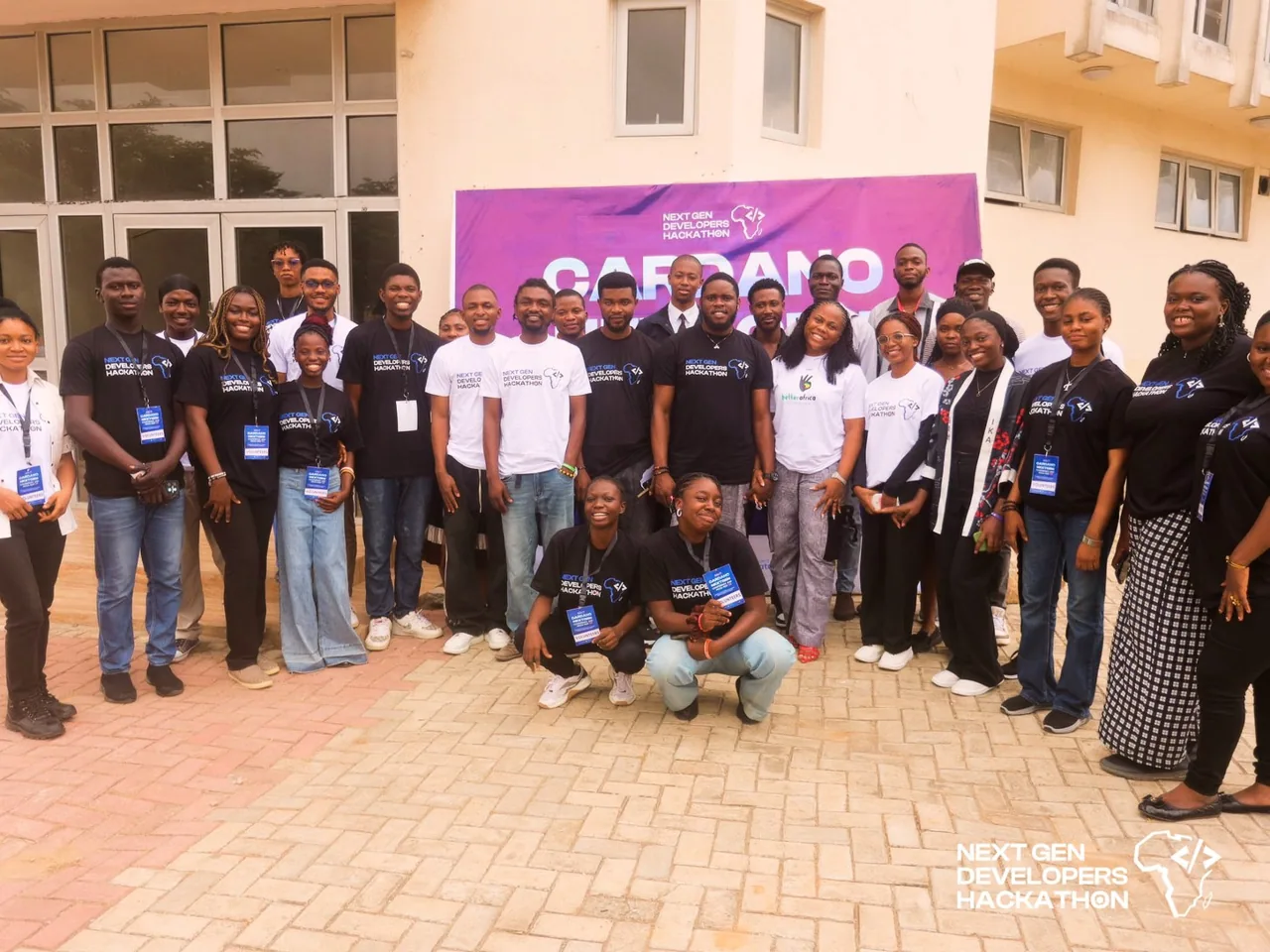
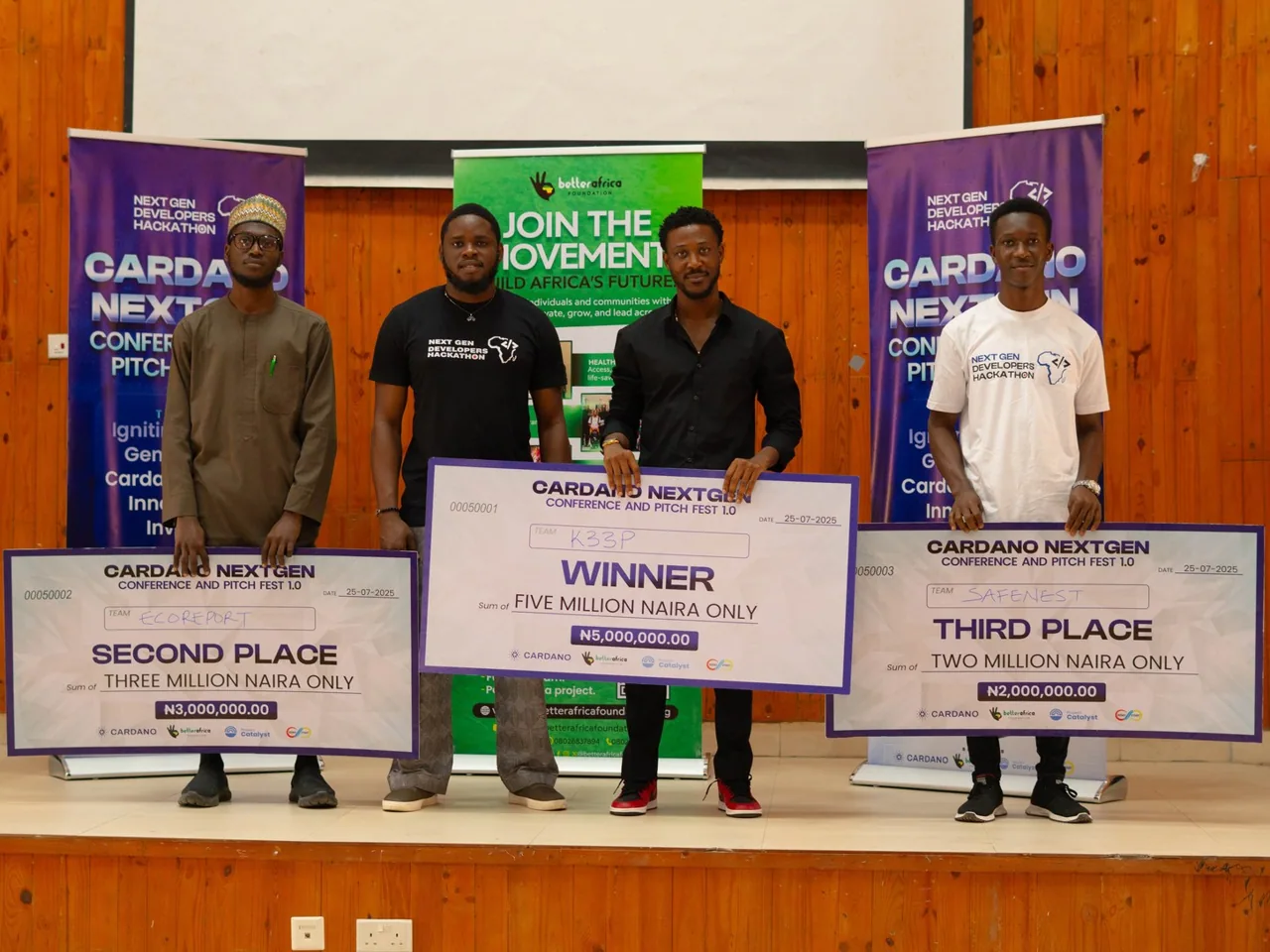
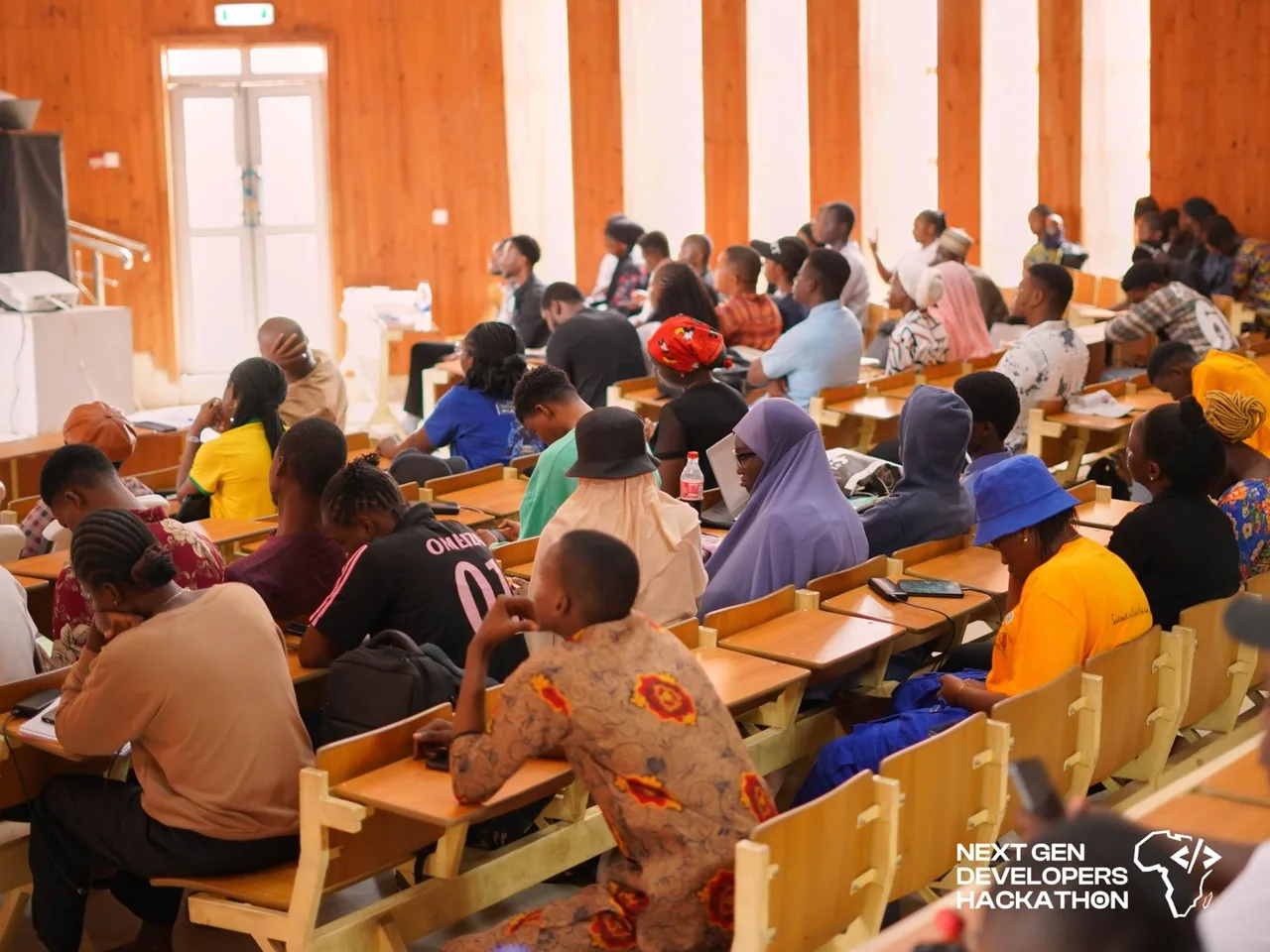
First West African hackathon: 19 projects, ₦10M prize capital, close-out report published.
DoneCampus chapters run year-round; two build seasons a year; winners routed into Plugtunity and grant support.
NowMore countries; a NextGen fellowship for the strongest builders; alumni leading chapters and judging panels.
Next| Partner | What they bring | What they get |
|---|---|---|
| Universities | Space, students, faculty mentors | An active builder community on campus |
| Funders and foundations | Prize capital, grants, programme funding | Accountable delivery with public reporting |
| Companies | Technical tools, challenges, mentors, roles | Early access to proven African talent |
| Mentors and experts | Time and judgement | A direct hand in shaping the next generation |